Field Notes · Materials
The Materials That Make a Home Timeless
Every material ages. The question is whether it ages into character or into a repair bill, and that depends on climate, detailing and what you are willing to maintain.
In brief
- Good materials change over time. Patina is part of the appeal.
- Let the climate guide what goes on the outside.
- Detailing matters as much as the material.
- Know the upkeep before you commit.
- A short list of materials ages better than a long one.
A house that lasts isn't one that stays exactly as it was on move-in day. It's one where wear looks like character instead of damage and where the materials settle into their surroundings. That comes down to picking materials that suit the place and detailing them well, more than following any trend.
A few rules of thumb
- Match the climate. Sun, rain, humidity, frost and salt air all change how materials behave.
- Expect change and decide up front whether you want patina or consistency.
- Keep water moving. Most failures start where water gets trapped.
- Favor things that can be fixed. Materials you can sand, repoint or patch locally last longer.
- Use fewer materials. A small palette used consistently looks calmer and ages together.
Wood
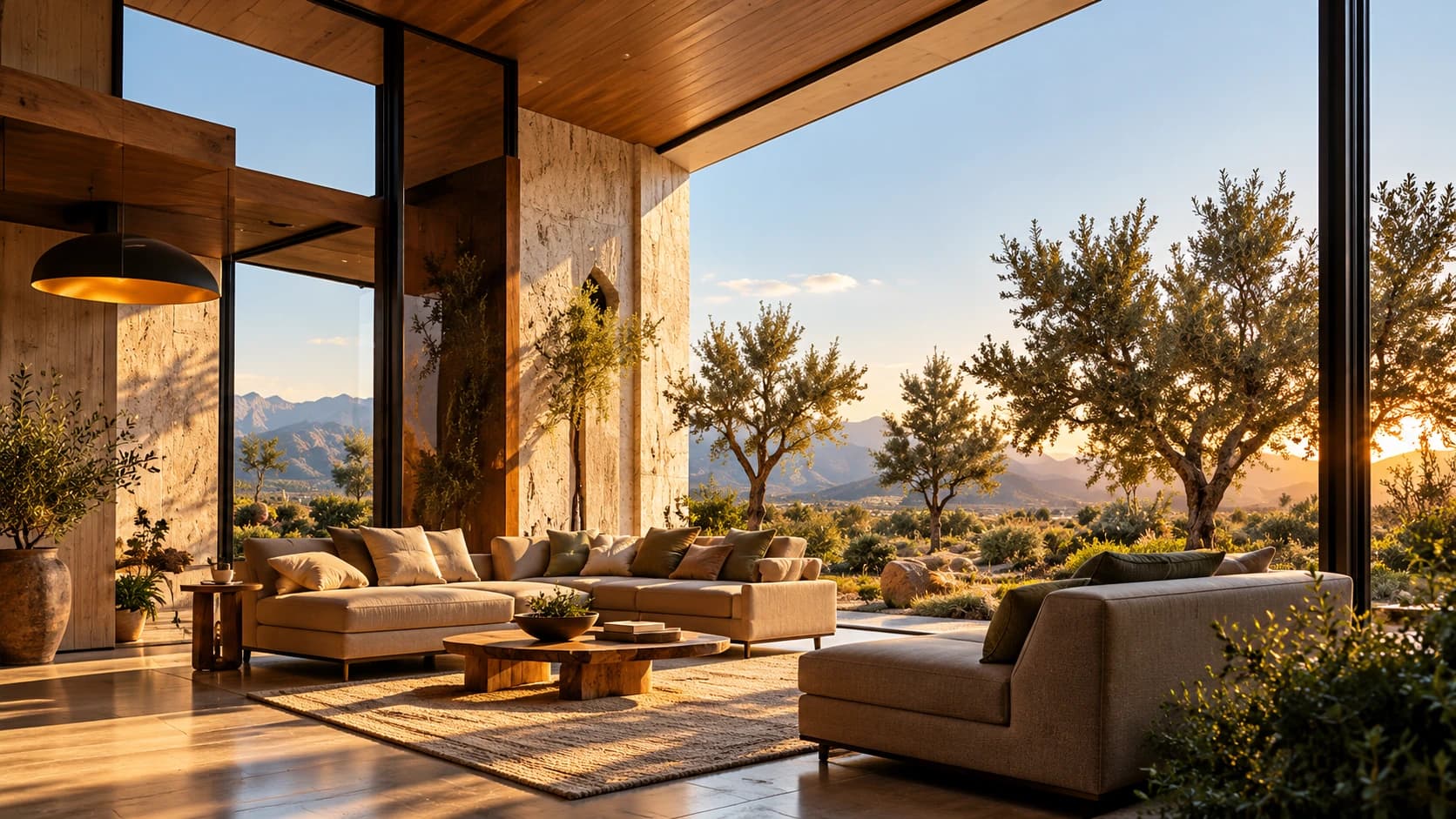
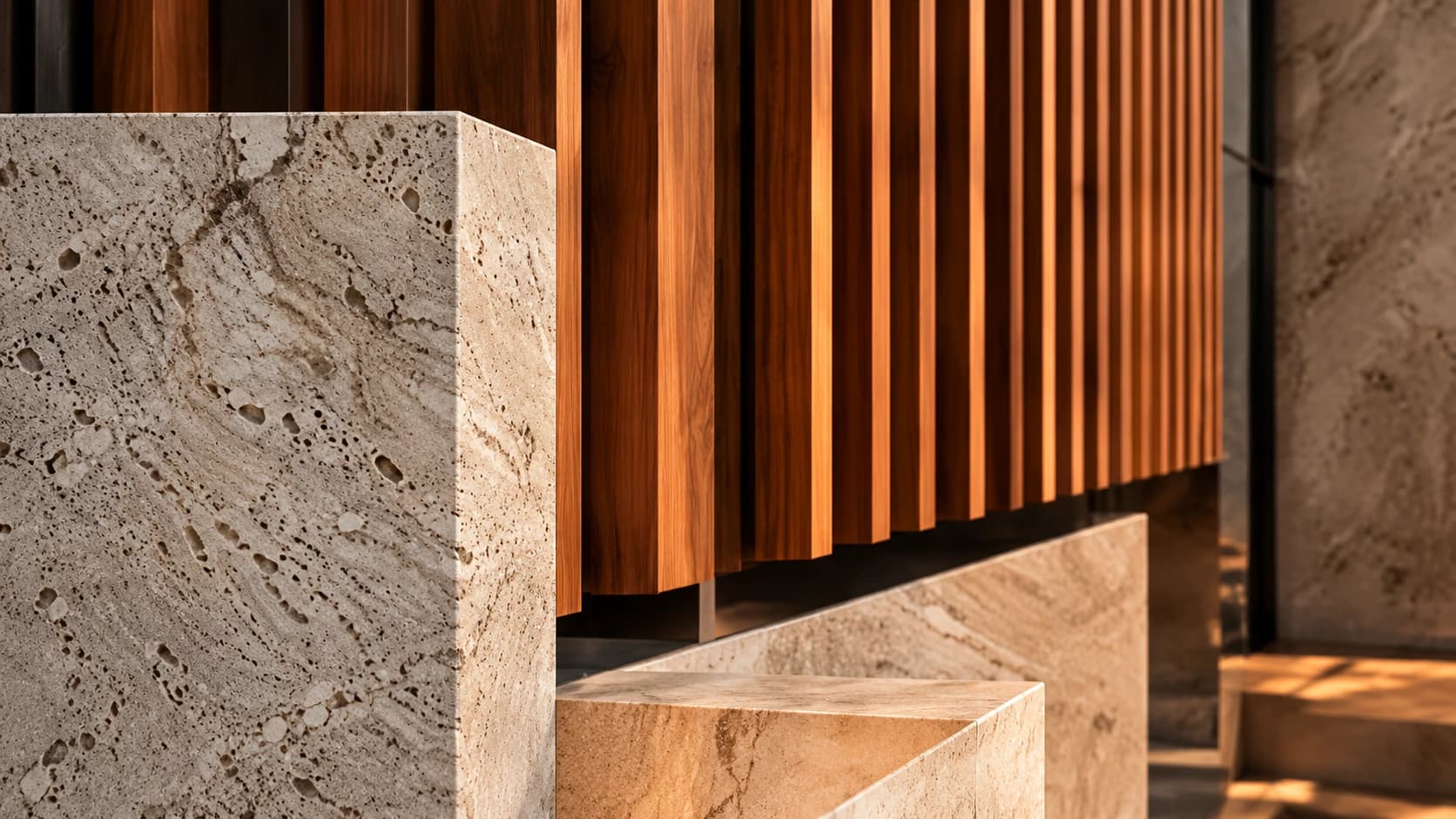
Wood brings warmth and texture that few other materials can match. Inside it works for floors, ceilings and cabinetry. Outside it's used for siding, decks and screens.
How wood ages
Left out in the sun and rain, a lot of untreated wood slowly turns silver-gray. Some people love that. Others prefer to keep the original color with regular oiling. Either is fine, but decide on purpose, because the choice sets your maintenance schedule for years.
Things to check
- Whether the species is suited to outdoor use in your climate.
- Where it comes from, and whether certified sources are available.
- That the detailing lets it dry out after rain.
- What finish it needs and how often it has to be redone.
Stone
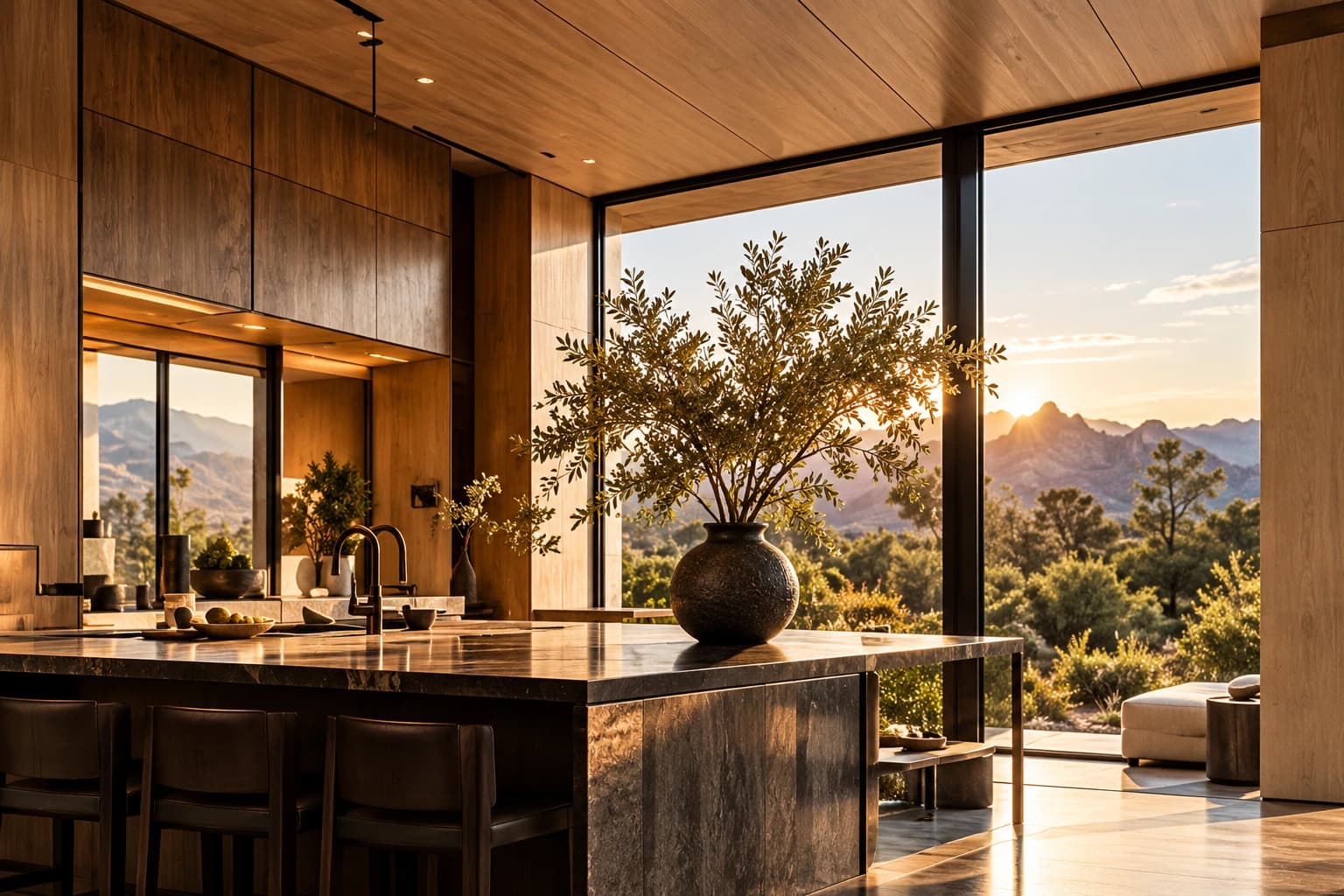
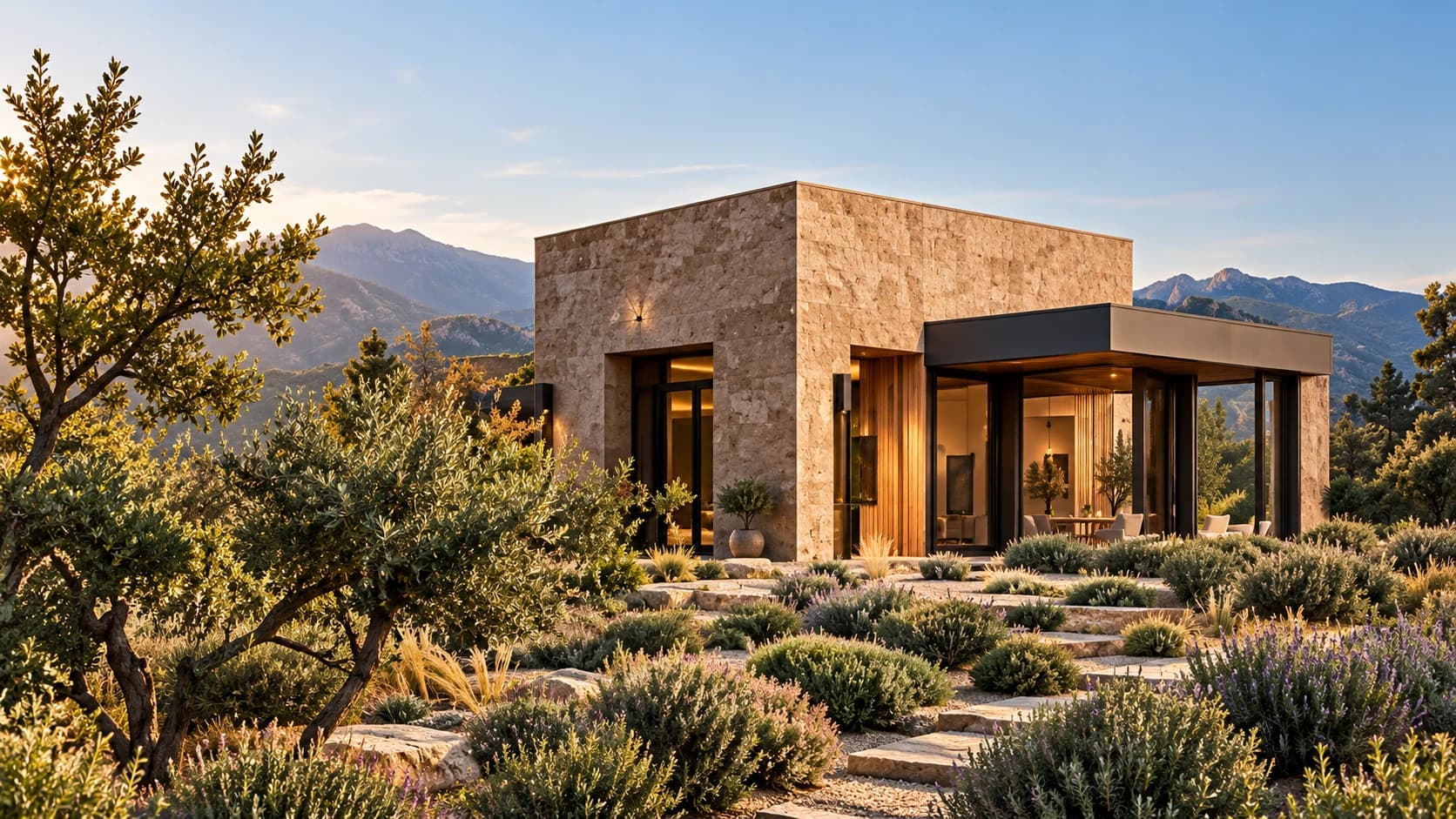
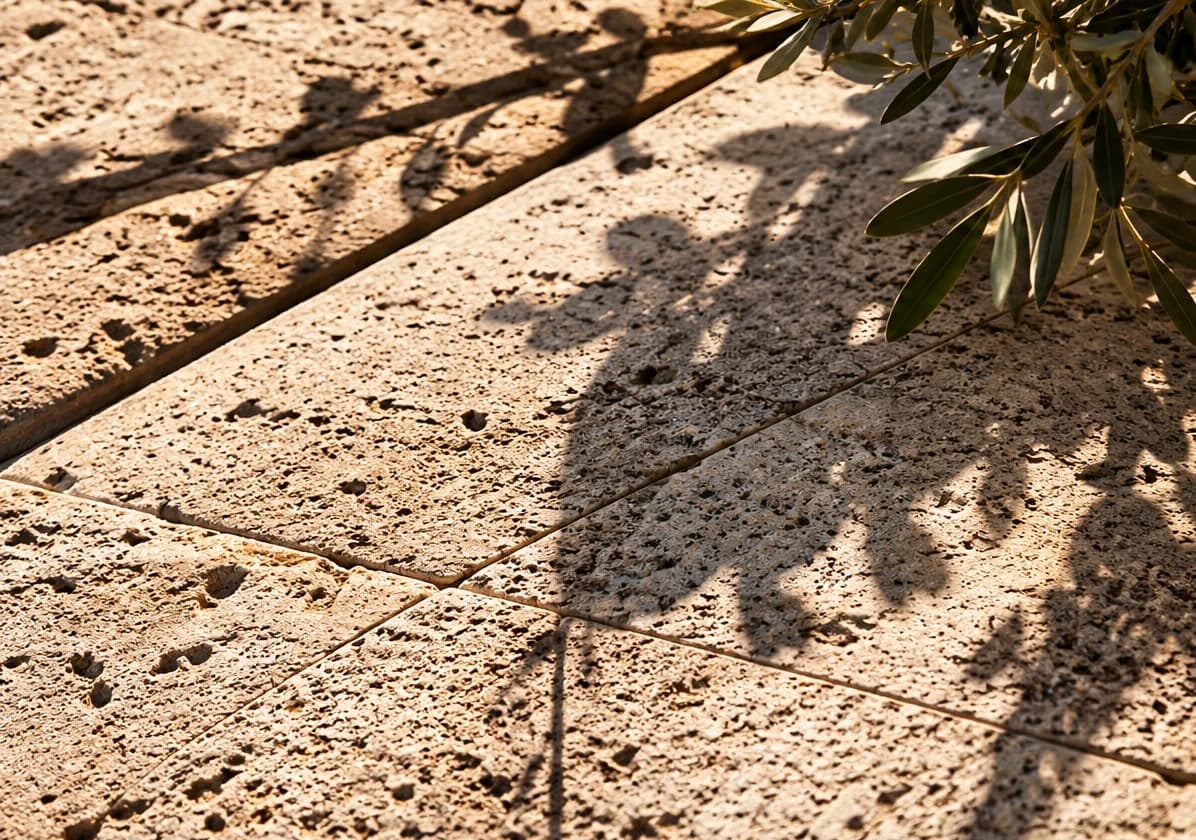
Stone feels permanent. Limestone, travertine, granite, slate and sandstone all differ in density, porosity and finish. A honed limestone that feels lovely underfoot in a living room may stain in a kitchen or weather differently outside than a dense granite would.
Questions to ask about stone
- Is it right for where it's going, whether that's a floor, a wall, a countertop or a patio?
- How porous is it, and does it need sealing?
- Will the finish be slippery when wet?
- Can you get more of the same stone later for repairs?
Metal
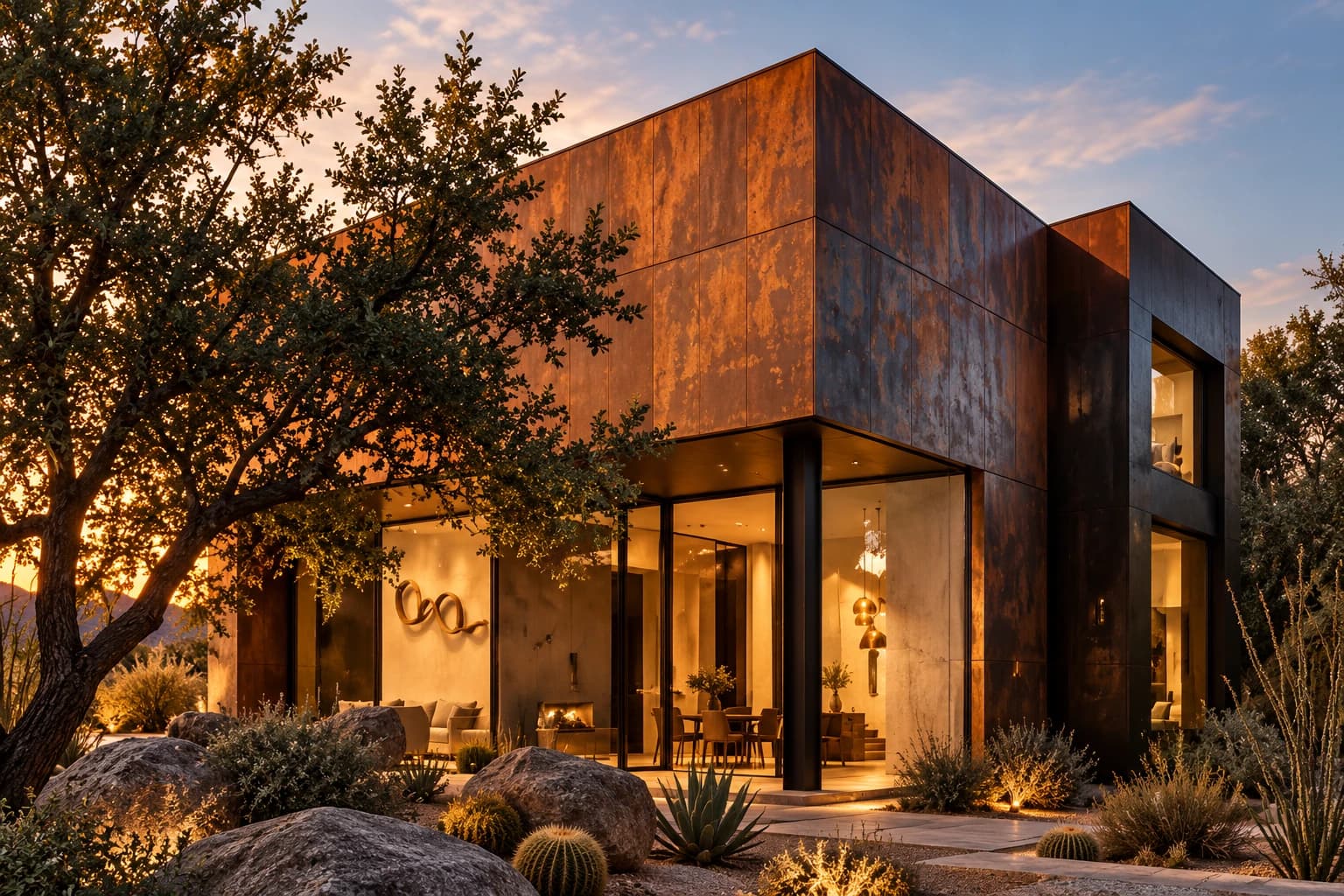
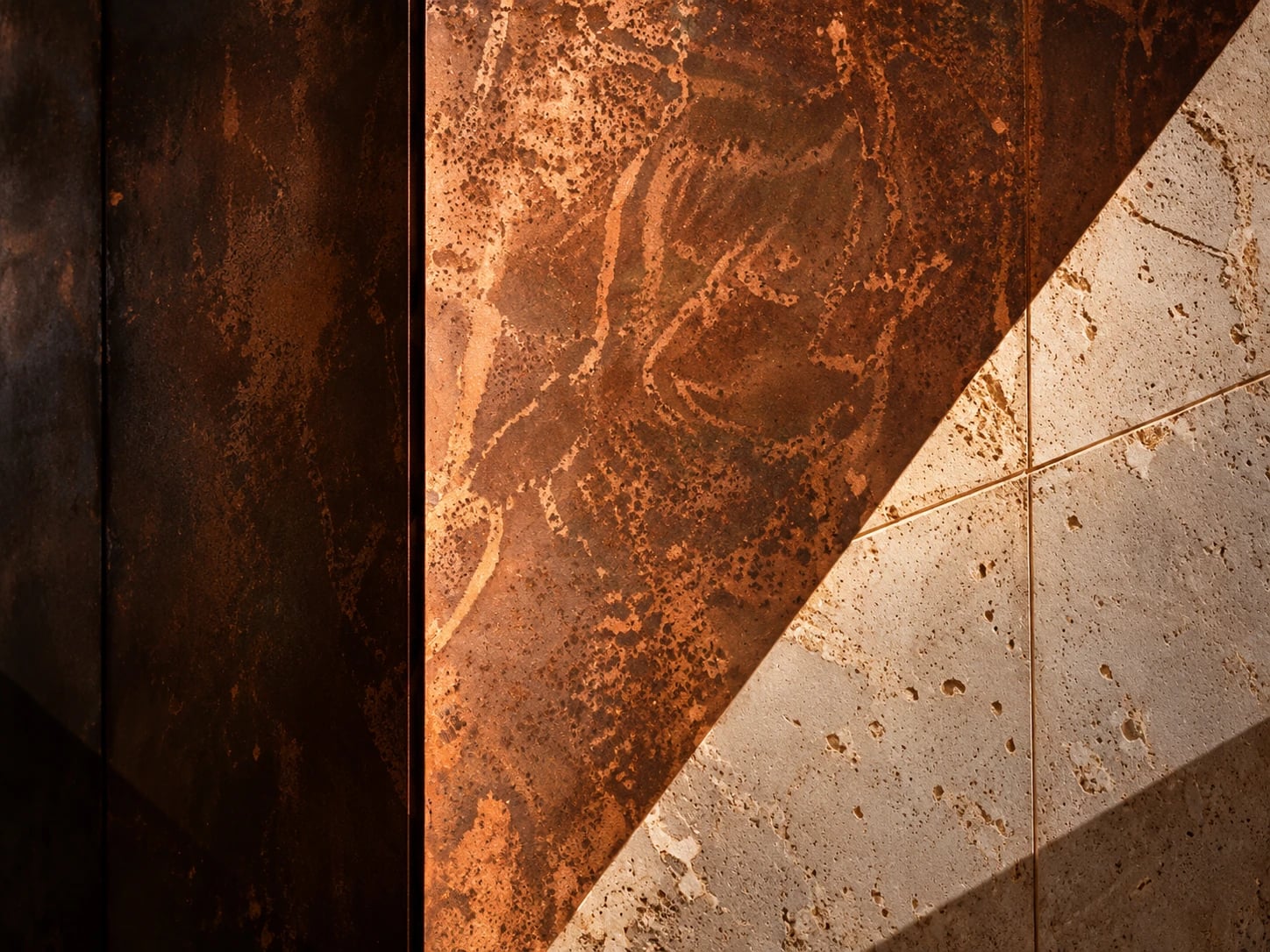
Metal lets you build thin and strong. Some metals are chosen for how they weather. Weathering steel forms a stable rust-colored layer. Copper goes brown and, in many places, eventually green. Zinc turns a soft gray. Aluminum and stainless steel are usually picked because they don't change much.
Weathering metals need careful detailing. While they're forming their patina, runoff can stain paving or plaster nearby, so plan drainage from the start. Near the coast or in industrial areas, check suitability with the supplier first.
Weathering steel looks better at twenty years than at two.
Glass
Glass connects a house to its setting. It's also where most heat gets in and out. The glazing spec, the frames, orientation and shading all affect comfort and energy use. A big unshaded window facing hard sun can cook a room. In cold climates, poor glazing makes it chilly.
- Use big windows where the view and light are worth it, not everywhere.
- Shade sunny walls before adding more glass.
- Choose glazing for your climate, ideally with advice from an energy consultant.
- Think about privacy, birds and how you'll clean large panes.
Climate and weathering
The same material can behave very differently in two places. Strong UV breaks down many finishes. Freeze-thaw cycles crack porous stone and masonry. Humidity makes wood move. Salt air speeds up corrosion. Before you commit to an exterior material, go and look at buildings nearby that have had it for ten or twenty years.
Maintenance
Every material needs some care. The questions are how much, how often and who does it. Something that needs a professional visit every year might suit one household and be a burden for another. Talk about upkeep alongside looks and cost.
- Lower maintenance: many dense stones, fired clay and metals left to weather.
- Moderate: oiled wood, sealed porous stone and lime plaster.
- Higher: glossy finishes and painted wood in exposed spots.
These are general tendencies. Conditions and products vary, so ask your design team and suppliers for specifics.
Choosing well
- Start with the climate and exposure of each surface.
- Shortlist materials that suit those conditions and the look you want.
- Look at big samples on site, in morning and evening light.
- Ask how it holds up over decades, not only the first few years.
- Visit buildings that use the material and see how they've held up.
- Keep the palette short and give each material one job.
Material choices run through interior architecture and custom home work, and each of the design studies shows a palette chosen for one setting.
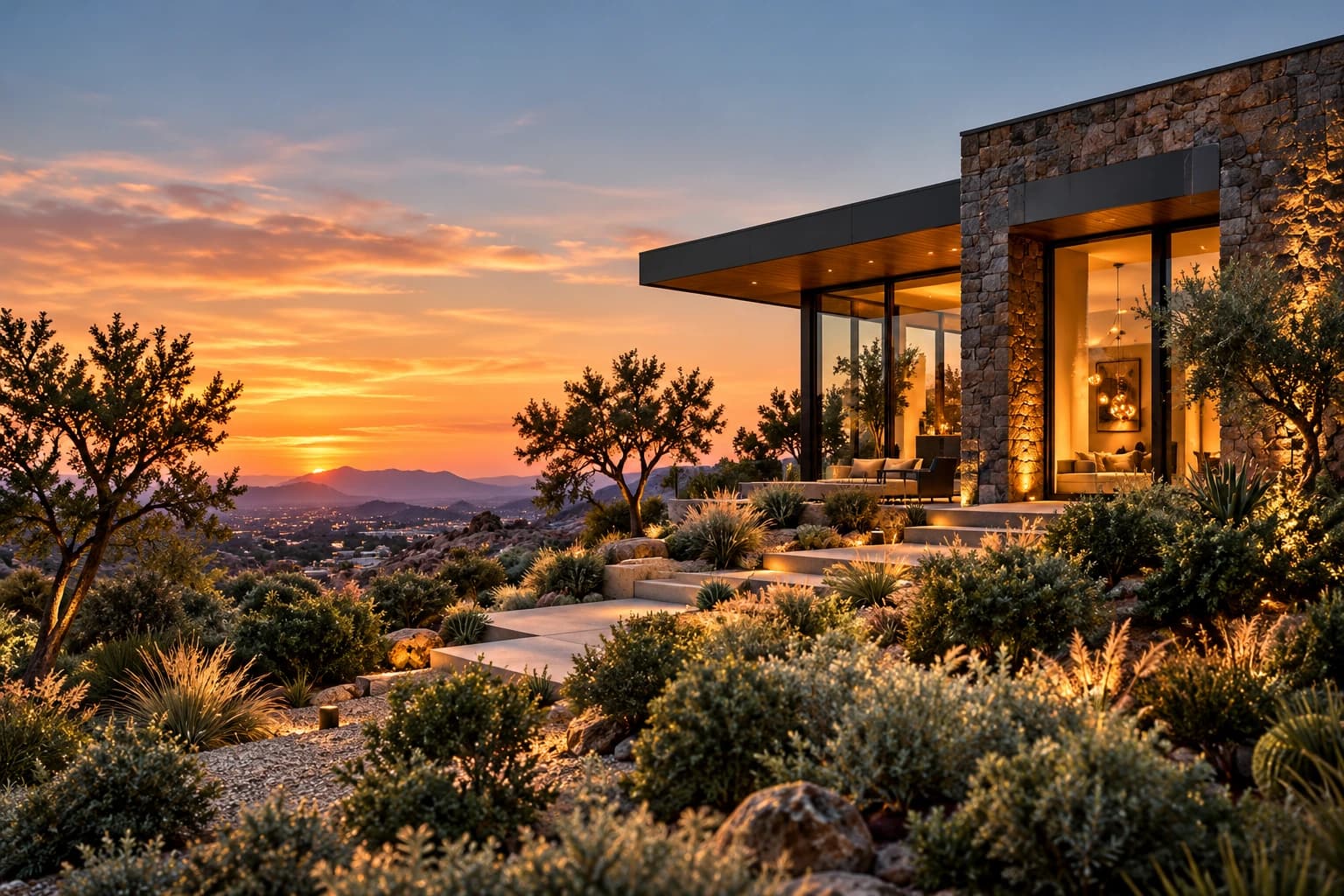
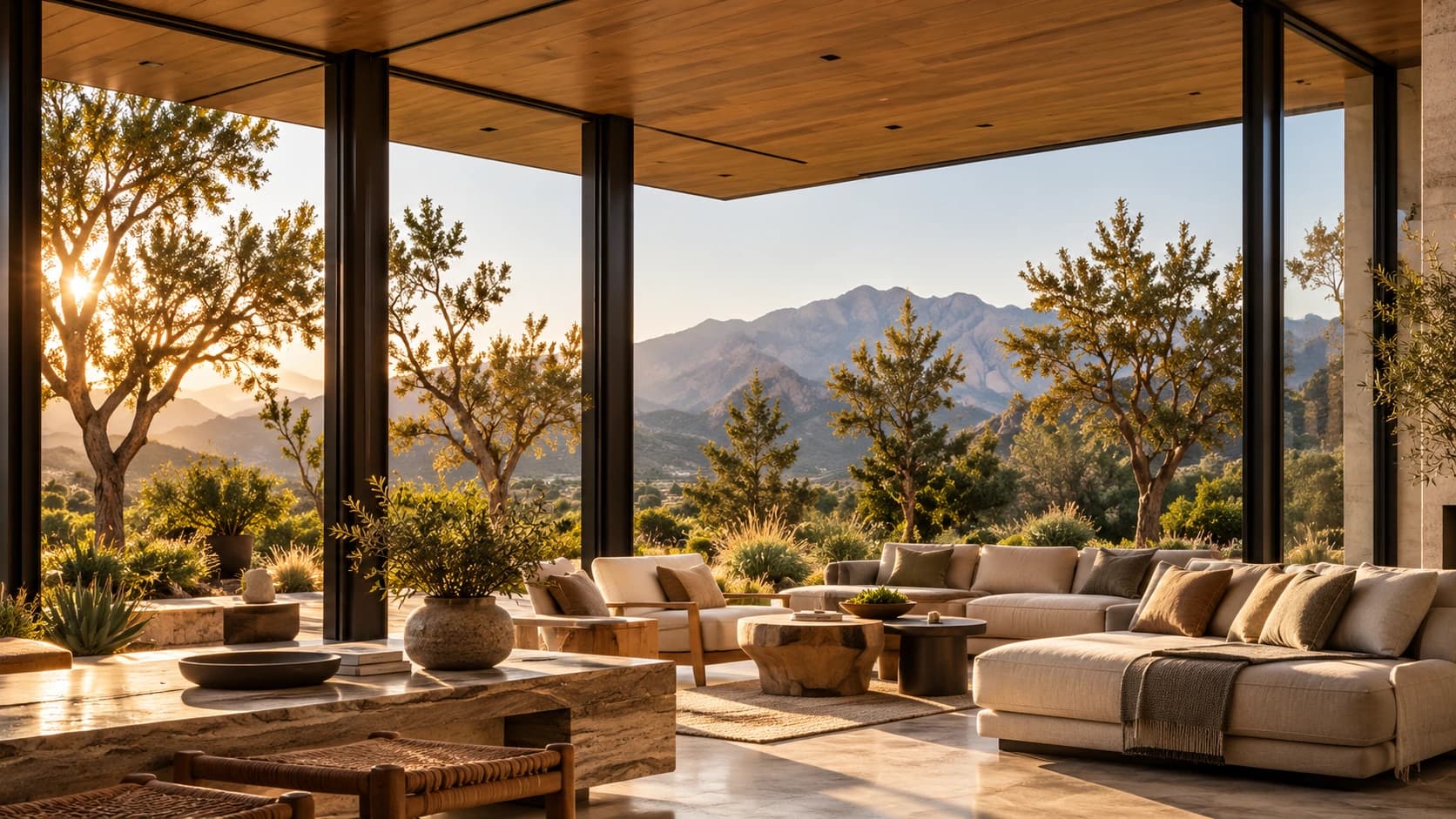
See how a material palette is worked out for one setting in the Desert Modern design study, where steel, stone and plaster each have a single job.
Explore Desert ModernCommon questions
Do natural materials always cost more?
No. It depends on the material, where it comes from, the region and how hard it is to install. Some cost more up front and less over the life of the house, so it helps to look at the long run.
Can weathering steel be used anywhere?
No. How it performs depends on the environment, and it may not suit some coastal or constantly damp locations. Check with the supplier and a specialist for your specific site.
This article is general information, not professional advice for a specific project. Field & Form is a fictional studio. Rules and costs vary by location, so talk to qualified local professionals before you decide anything.