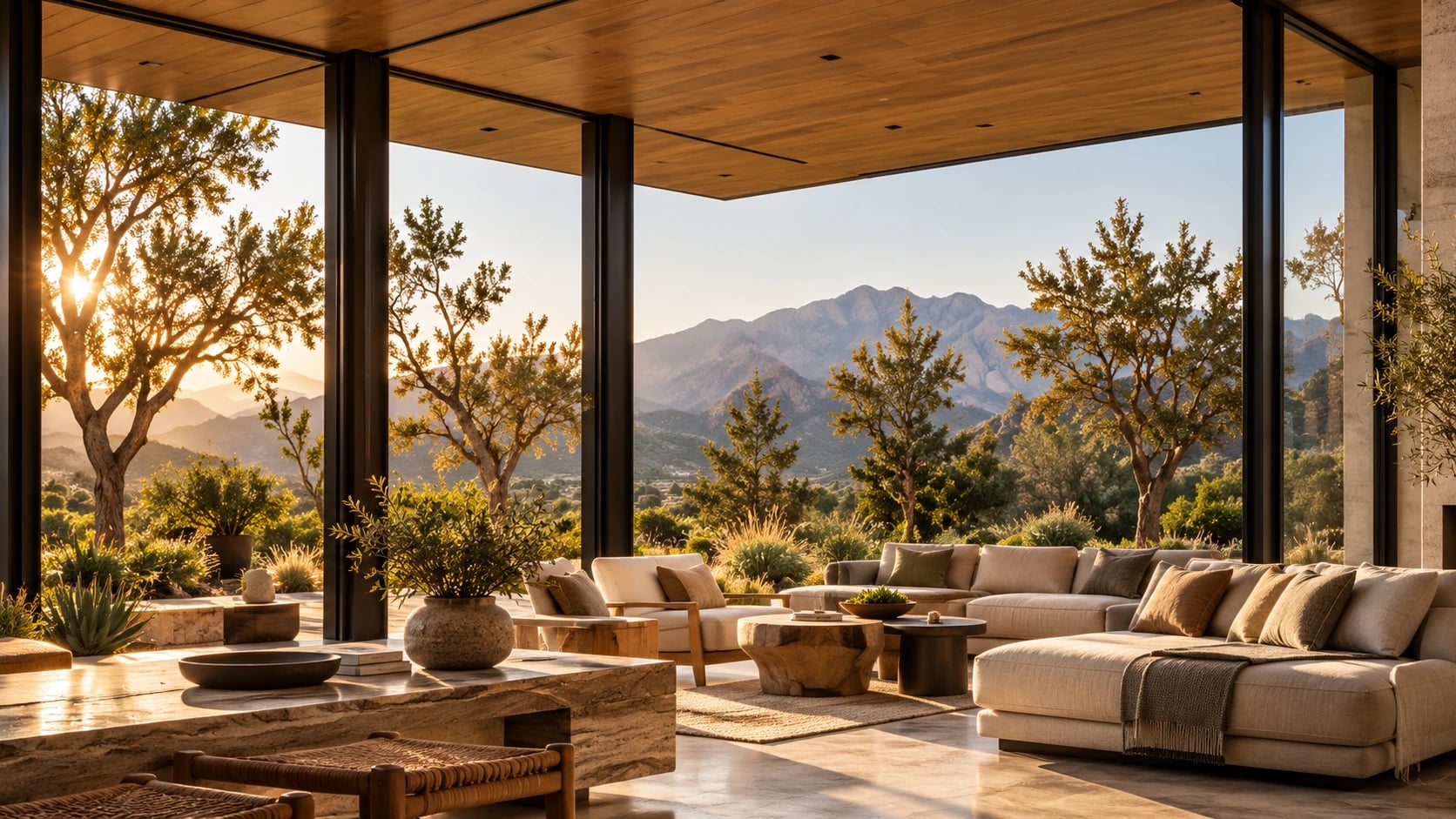
Service 02 · Renovations & Additions
Keep what works. Fix what doesn't.
Renovations and additions that improve how an existing house works and connects while keeping the things that made it worth staying in.
Overview
Renovations usually start with one specific annoyance. The kitchen is dark, there's nowhere to work or getting to the garden is a hassle. The best renovations fix that and sort out a few other problems along the way. To get there you have to look at the whole house, not just the room that's bothering you.
Older houses come with history, character and limits. We start by studying what's there, including the structure, the light, how people move around and which materials are worth keeping. Then we propose changes that look like they were always meant to be there.
When to get in touch
Before you settle on a scope or hire a builder. An early conversation can show whether a smaller, smarter change would do more than a bigger one.
What’s involved
What the work covers.
This is the usual shape of the work. We adjust it to fit each project.
- 01
Survey of existing conditions
Measuring what's there and flagging anything likely to need structural, mechanical or code work.
- 02
Options study
Two or three options, from a light touch to a major rework, so you can weigh benefit against cost and disruption.
- 03
Design of new and changed spaces
Plans, sections and materials that work out how the old and new parts meet.
- 04
Phasing advice
If it helps, a sequence that lets you stay in the house or spread the cost over time.
- 05
Permit drawings
Drawings for permits and builder pricing, coordinated with engineers as needed.
- 06
Construction support
Site visits and quick answers when demolition turns up something unexpected, which is common in older houses.
A good fit if
Who this is for.
- You love your house or its location, but it doesn't suit how you live anymore.
- You're trying to decide whether to renovate, add on or move.
- You want an addition that sits comfortably next to the original house.
- You're ready for some surprises, because older buildings always have a few.
Worth knowing
Things to plan for.
- 01
Plan for surprises
Opening walls and floors can reveal problems that change the scope. A realistic budget includes a contingency.
- 02
Small moves can do a lot
Moving a doorway, a staircase or the kitchen can change how a house works more than adding square footage.
- 03
Respect the original
Additions tend to age best when they're clearly new but match the original in scale, proportion and material.
Is it better to renovate or rebuild?
It depends on the condition of the structure, how much you want to change, local rules and your budget. An options study is the most reliable way to compare the two fairly.
Can we live in the house during construction?
Sometimes. It depends on the scope, the layout and how much disruption you can put up with. Phasing helps, but some projects are safer and faster with the house empty.
Do renovations need permits?
Many do, especially structural changes, additions and plumbing or electrical work. The rules vary by town, so we check early.
Thinking about renovations & additions? The first conversation is free and there’s no obligation.
Book a consultation



A conversation changes everything
Let’s create what’s next.
Your home begins with a conversation. The first call is relaxed and there's no obligation. We'll talk about your plans, your site and your timing, and you'll get a sense of whether we're a good fit.
Book a consultation