Living Well
Designing a Home Around the Way You Live
Where the keys land, where homework happens, which window gets the morning sun. Small daily details make the difference between a house that looks good and one that lives well.
In brief
- Walk through an ordinary day on paper. It shows what the plan has to support.
- How you move from room to room shapes how a house feels.
- Plan light room by room, for the time of day each room gets used.
- Arrange the plan from public to private.
- Leave room for the household to change.
Some houses photograph beautifully and are awkward to live in. Others look modest and just work, every day. The difference usually isn't style. It's whether the design started with the life that would happen inside.
Designing around the way you live means paying attention to ordinary things. Where do the keys get dropped? Which window does the morning light come through? Where does homework happen, and how do the groceries get from the car to the pantry? Get those right and a house feels generous. Get them wrong and no finish will make up for it.
Start with an ordinary day
Try writing out a normal weekday and a normal weekend for each person in the house. Where does each thing happen? What gets in the way? What would make it easier?
Patterns show up fast. Maybe everyone lands in the kitchen between seven and eight and it turns into a traffic jam. Maybe one person works from home and needs a door that shuts during calls. Maybe the dog needs rinsing off before it comes inside. These details should shape the plan.
Spaces people tend to undersize
- The drop zone by the door: somewhere for bags, keys, coats and shoes, ideally near the garage.
- The working side of the kitchen, with a pantry, recycling and storage sized for real cooking.
- A quiet room with a door, for work, reading or a bit of time alone.
- The laundry, put somewhere convenient with room to fold and hang things.
How you move through the house
Circulation is the hallways, stairs, doorways and paths through open rooms. When it's good you don't notice it. When it's bad you get people cutting through the living room, dead ends, cramped corridors and bedrooms you can only reach through another room.
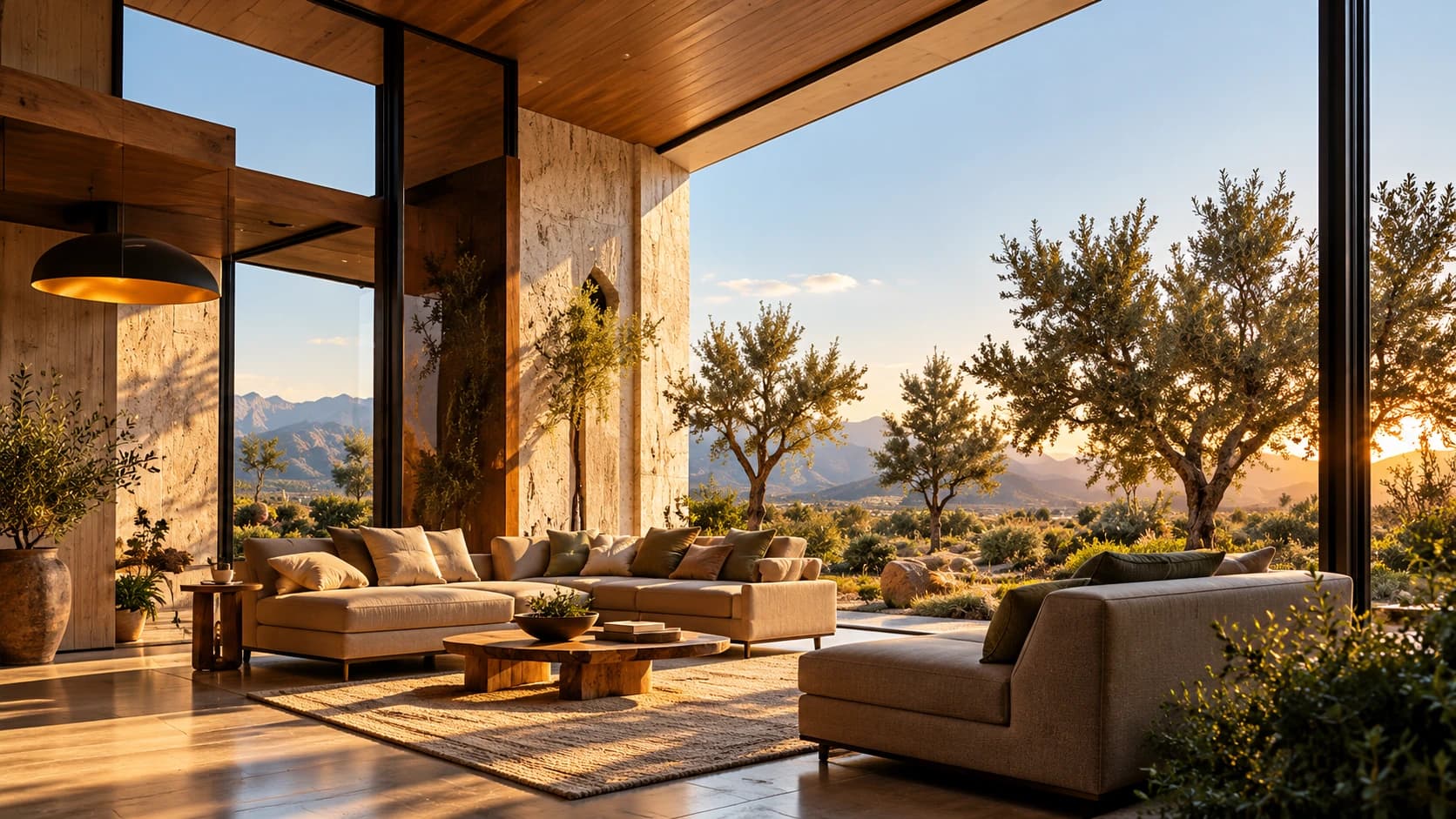
Think in sequences. Coming home might mean a covered entry, then a wall of storage, then a room that opens onto the garden. Going from tight to open like that can make a modest house feel big. In our Riverstone Home design study a single limestone wall runs the length of the house and does exactly this.
Plan the light for when you use each room
More glass isn't automatically better. Think about when each room gets used and plan its light around that. A breakfast nook wants morning sun. Living rooms often feel best in soft afternoon light. Bedrooms usually want gentle morning light without glare.

Orientation, window placement, roof overhangs and shading all work together. In hot places shade usually matters more than extra glass. In cold places catching the low winter sun makes a real difference to comfort. The right answer depends on the site.
Work from public to private
Most homes need a range of privacy, from rooms where guests are welcome to rooms only the family uses. Laying the plan out in that order, with public rooms near the front door and private ones further in, cuts down on corridors and keeps the quiet rooms quiet.
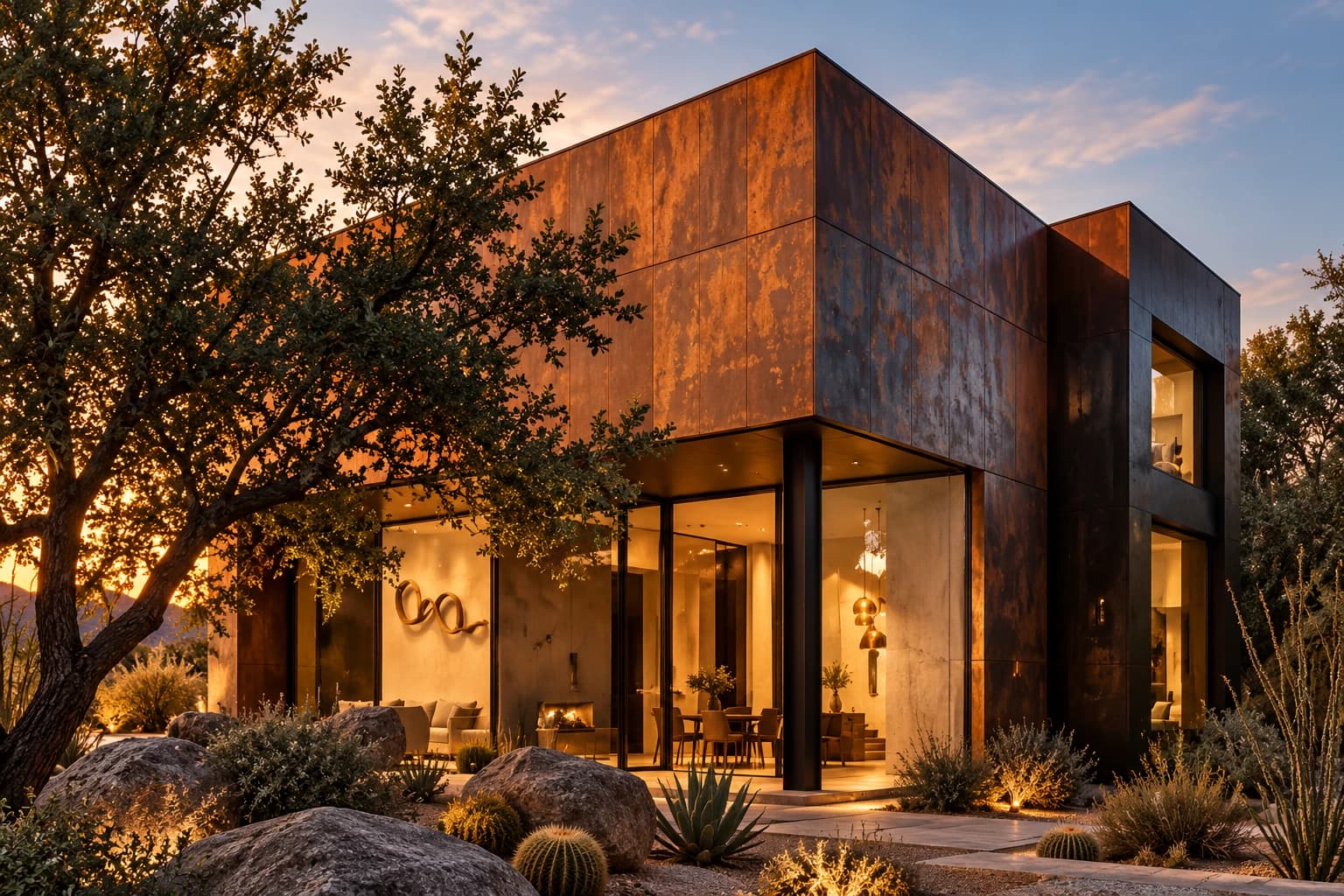
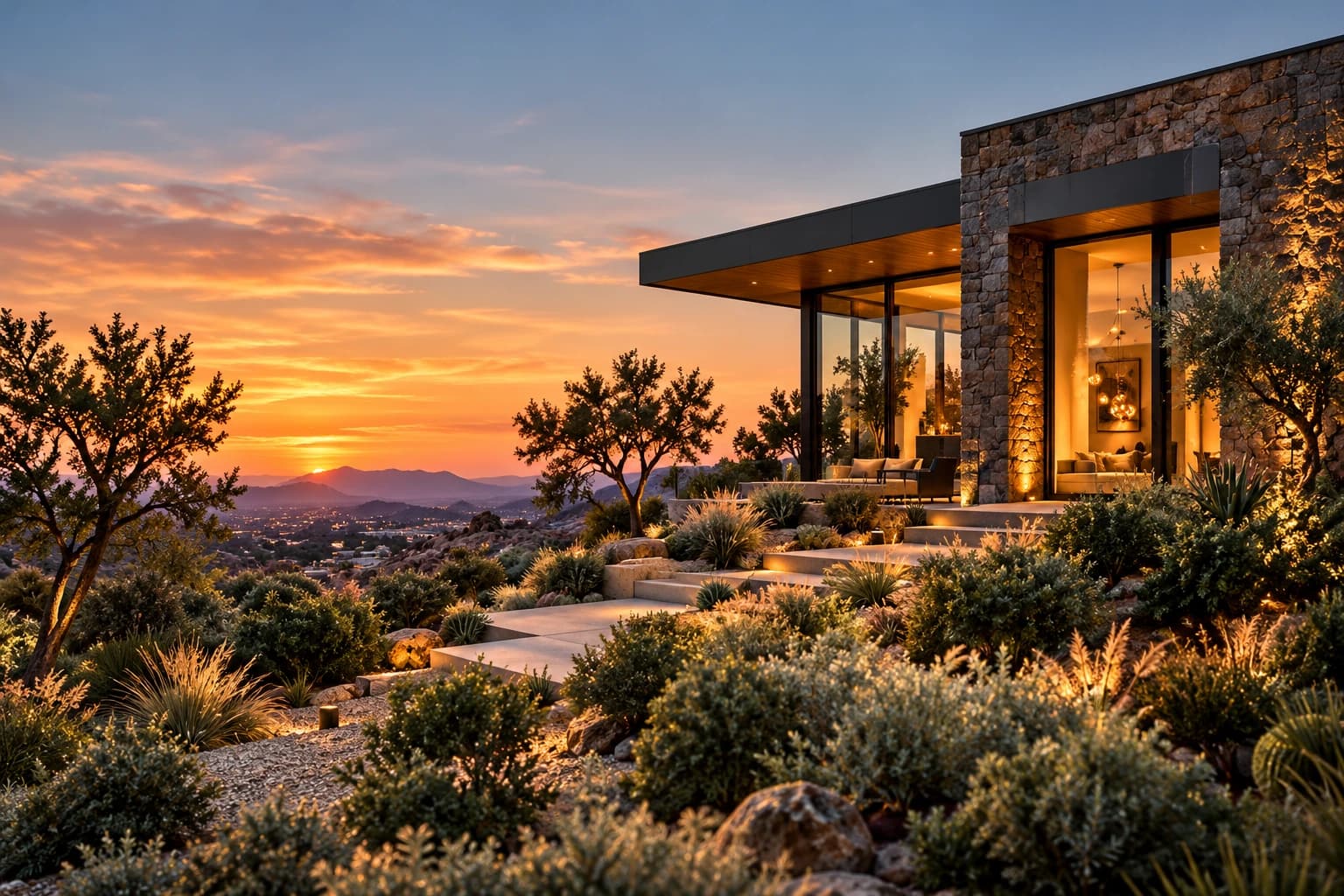
Privacy from outside matters too. Where the house sits, planting, courtyards and window positions can all give you privacy without blinds that stay shut all day. Our Desert Modern study uses courtyards to make a house feel open and private at the same time.
Connect inside and outside
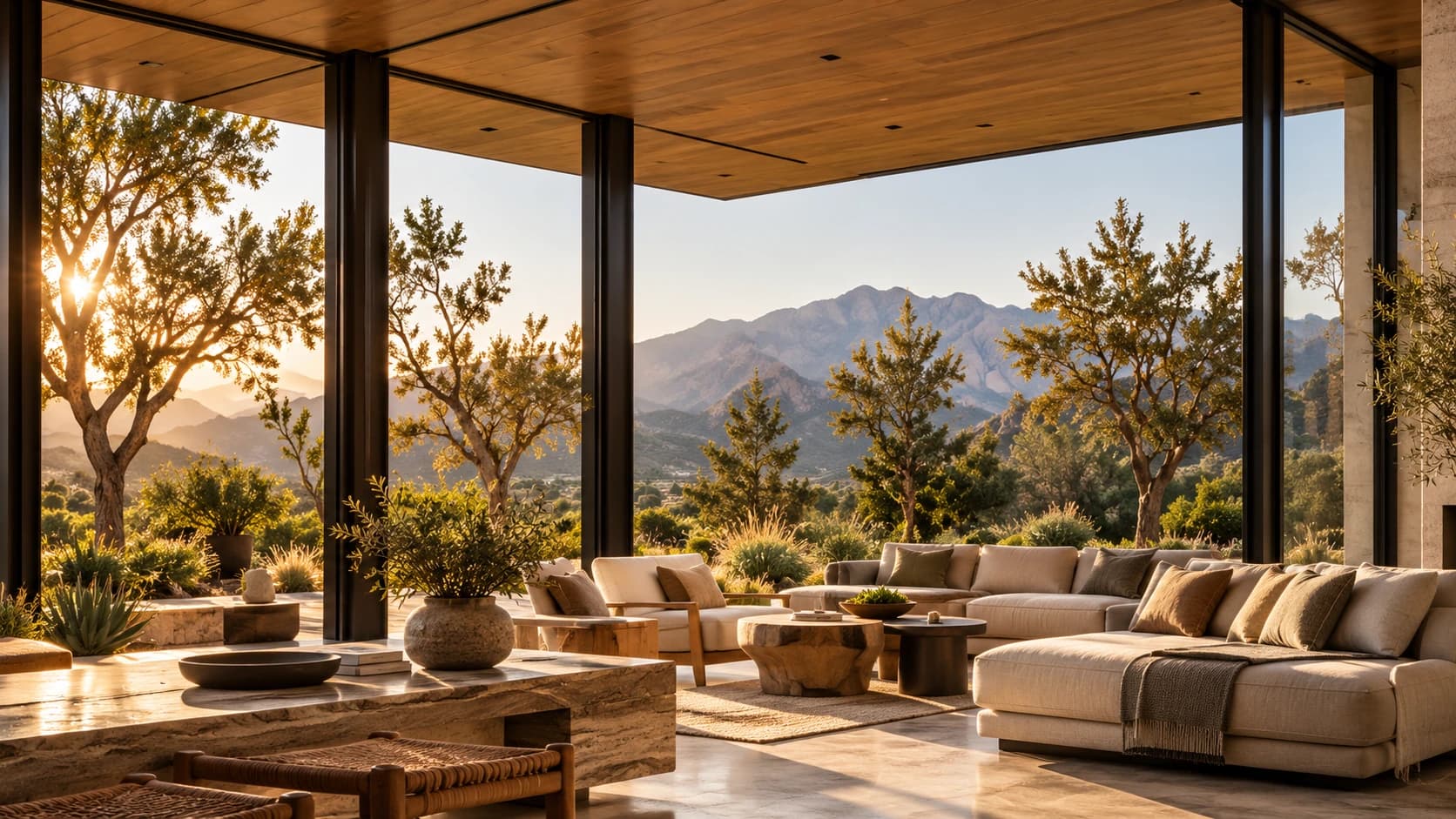
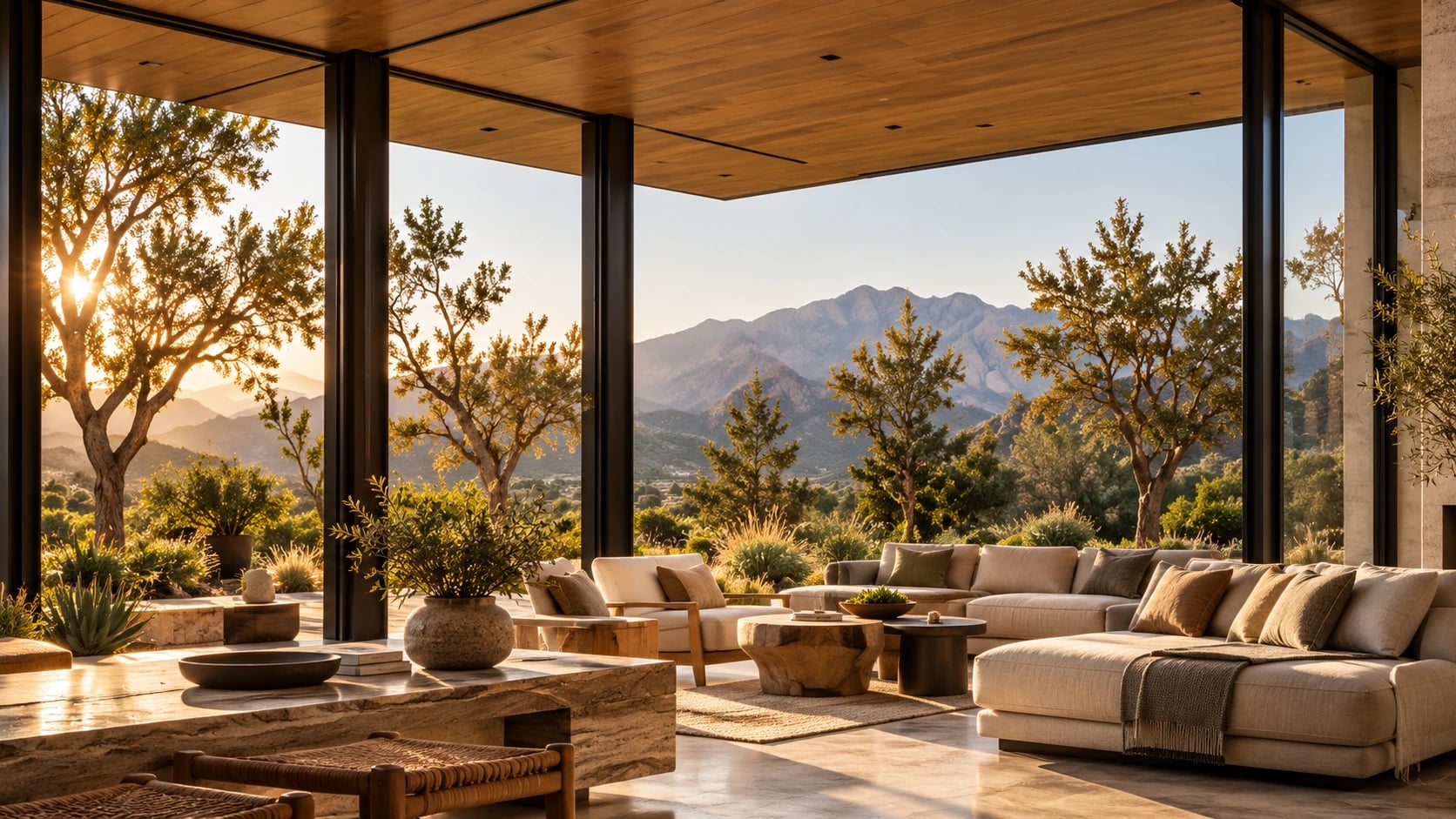
Indoor-outdoor living takes more than a wide sliding door. The outdoor rooms people use most have a roof overhead, a wall at their back and an easy route to the kitchen. A level threshold and the same floor or ceiling running inside to outside make the move feel natural.
- Put the outdoor table near the kitchen, not across the garden.
- Give outdoor spaces shade and shelter from wind so you can use them for more of the year.
- Think about lighting and heating for evenings.
- Plan the view from inside as carefully as the outdoor space itself.
Leave room for change
Households change. Kids grow up and move out, parents move in, jobs go remote. A house that can adapt will serve you longer. That might mean a room that works as an office now and a guest room later, a bedroom and accessible bathroom on the main floor, or structure and plumbing set up for a future addition.
A house built only for the family you have today will feel tight within a decade.
Pick materials you can live with
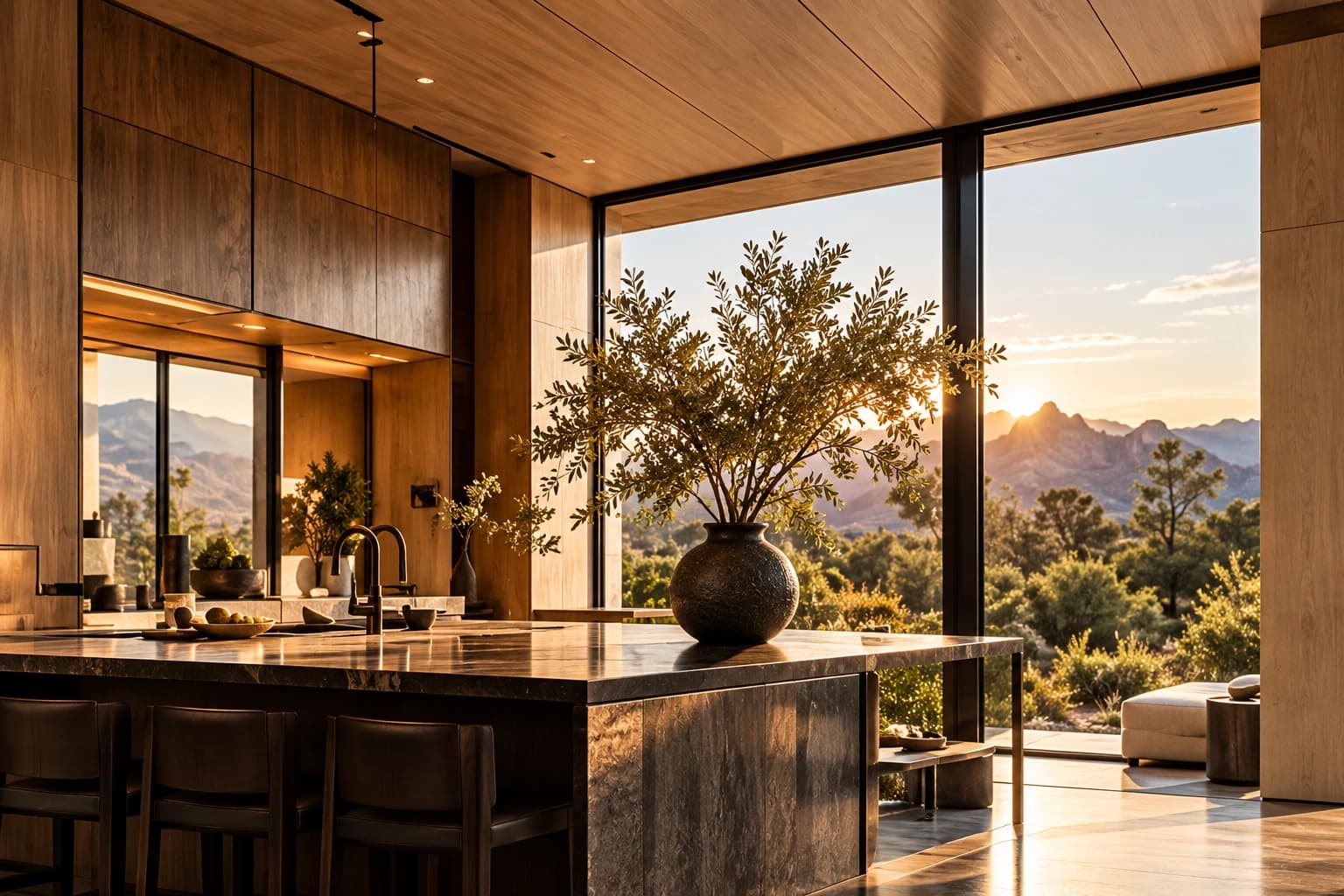
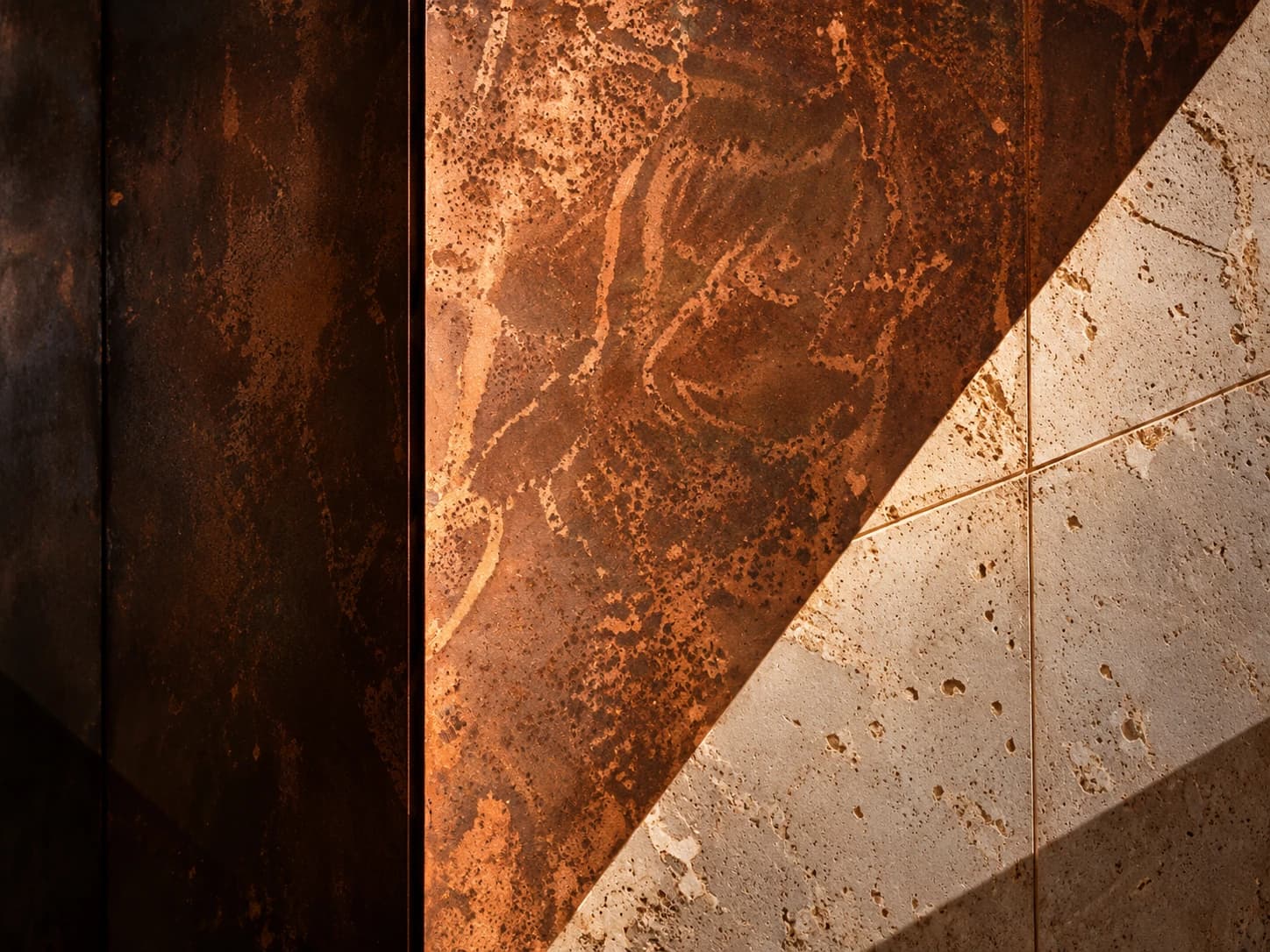
Materials affect sound, temperature, upkeep and mood. A timber ceiling softens the echo in a big open room. Stone floors stay cool in hot weather. Textured surfaces hide wear better than glossy ones. Before choosing a finish, think about how it feels underfoot, how it sounds, how it ages and how much looking after it needs. We go into this in The Materials That Make a Home Timeless.
A quick livability check
- Can you carry groceries from the car to the kitchen without crossing the living room?
- Is storage where things get used, not just where there was space left over?
- Does each main room get good light at the time it's used most?
- Is there at least one quiet room with a door?
- Can you sit outside in the shade on a breezy day?
- Could the house work for a different household in ten years?
If you'd like to talk about how your current home works and how it could work better, we'd like to hear from you.
Book a consultationCommon questions
Is an open-plan layout always best?
No. Open plans are sociable but can be noisy and harder to heat and cool. A lot of households do better with connected rooms that are partly separated, plus at least one room that can be shut off.
How can I make a smaller home feel bigger?
Focus on daylight, long views through the house, changes in ceiling height, built-in storage and an easy connection to the outdoors. A well-planned small house often feels larger than a bigger one that isn't.
This article is general information, not professional advice for a specific project. Rules and costs vary by location, so talk to qualified local professionals before you decide anything.